Coorg
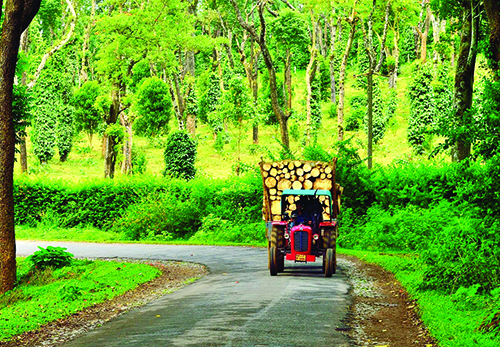 Coorg in Karnataka in South India is a beautiful hill resort. 252 kms from Bangalore and 1525 m above sea level lies Coorg, the district headquarters of Kodagu. … Also known as Kodagu, Coorg is famous for coffee plantations.
Coorg also known as Kodagu, is a rural district in the southwest Indian state of Karnataka. In the area’s north, Madikeri Fort has 2 life-size elephant statues at its entrance, plus a Gothic-style church with a museum on its grounds. Nearby, the Hindu Omkareshwara Temple dates back to the 19th century. Farther north are the domed Raja’s Tomb, a burial place of Kodava kings, and cascading Abbi Falls.
The majority of the early accounts of Coorg (Kodagu) are fundamentally eminent and the genuine record of history in Coorg is available only following the ninth century. On the word of inscriptions, Coorg was under the rule of many dynasties of South India such as Changalvas, Cholas, Gangas, Hoysalas, Kadambas and Pandyas.
It is believed that early on the northern part of Kodagu was under the Kadambas and the south under the Gangas. The Cholas were a powerful force in the eleventh century they defeated the Gangas. However, the Changalva Arasus continued to rule the south Kodagu when Raja Chola was ruling in Tanjavur.
Coorg is not a shopaholic’s paradise, but it is known for its organic farming and organic products. Signature spices like pepper, cardamom, cumin, mint, oregano, sage, basil, bay leaves, thyme, garlic, and rosemary is found here in bulk. Coorg is also famous for its dry fruits like cashews, raisins etc.
With the temperature ranging between 15 degree Celcius and 20 degree Celcius throughout the year, Coorg is a year-round destination. October to March is the best time for adventure activities especially trekking. March and April are the favoured months to experience the valley shrouded in white flowers.
By LawZ Bureau,